Wabi-Sabi
侘寂
Wabi-Sabi
Beauty in the cracked, the worn, the unfinished.残破、磨损、未完成之美。
How it came to be它如何诞生
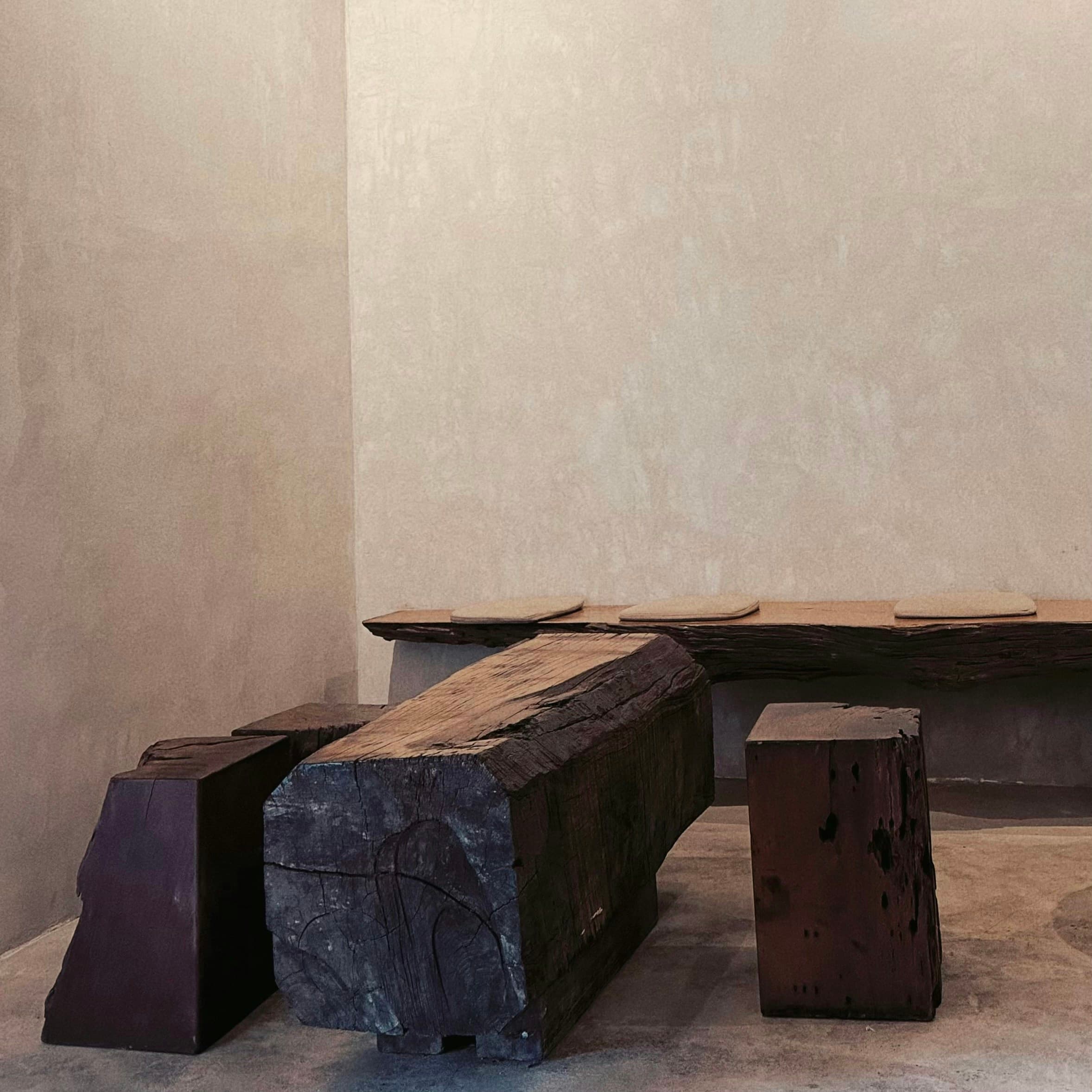
Rooted in 15th-century tea ceremony culture, wabi-sabi is the Zen Buddhist embrace of imperfection, impermanence, and incompleteness. Tea master Sen no Rikyū elevated chipped bowls and weathered wood as evidence of a life truly lived. The aesthetic now reads as the quiet antidote to glossy modernity.侘寂源于 15 世纪的日本茶道文化,是禅宗对不完美、无常与未完成的拥抱。茶圣千利休将缺口的茶碗与风化的木材视作真实生命的证据。今天它被视为对光鲜现代主义的安静解药。
How to spot it in a room如何在空间中辨认它
- 01Hand-troweled lime or clay plaster walls手抹石灰或泥土墙面
- 02Asymmetry and irregular silhouettes不对称的轮廓与造型
- 03Visible joinery and unfinished edges可见的榫卯与未修整的边缘
- 04Earthy, sun-faded color story土地色调,带着日晒褪色感
- 05Empty space treated as luxury留白本身即是奢侈
The shorthand objects标志性物件
Render this style with AI用 AI 生成这种风格
Paste into Decor8 AI, Midjourney, DALL·E, Stable Diffusion, or any text-to-image tool. The prompt is auto-generated from this style's materials, palette, and mood.粘贴到 Decor8 AI、Midjourney、DALL·E、Stable Diffusion 等任意文生图工具。提示词由当前风格的材质、色板、氛围自动生成。
Moodboard情绪板
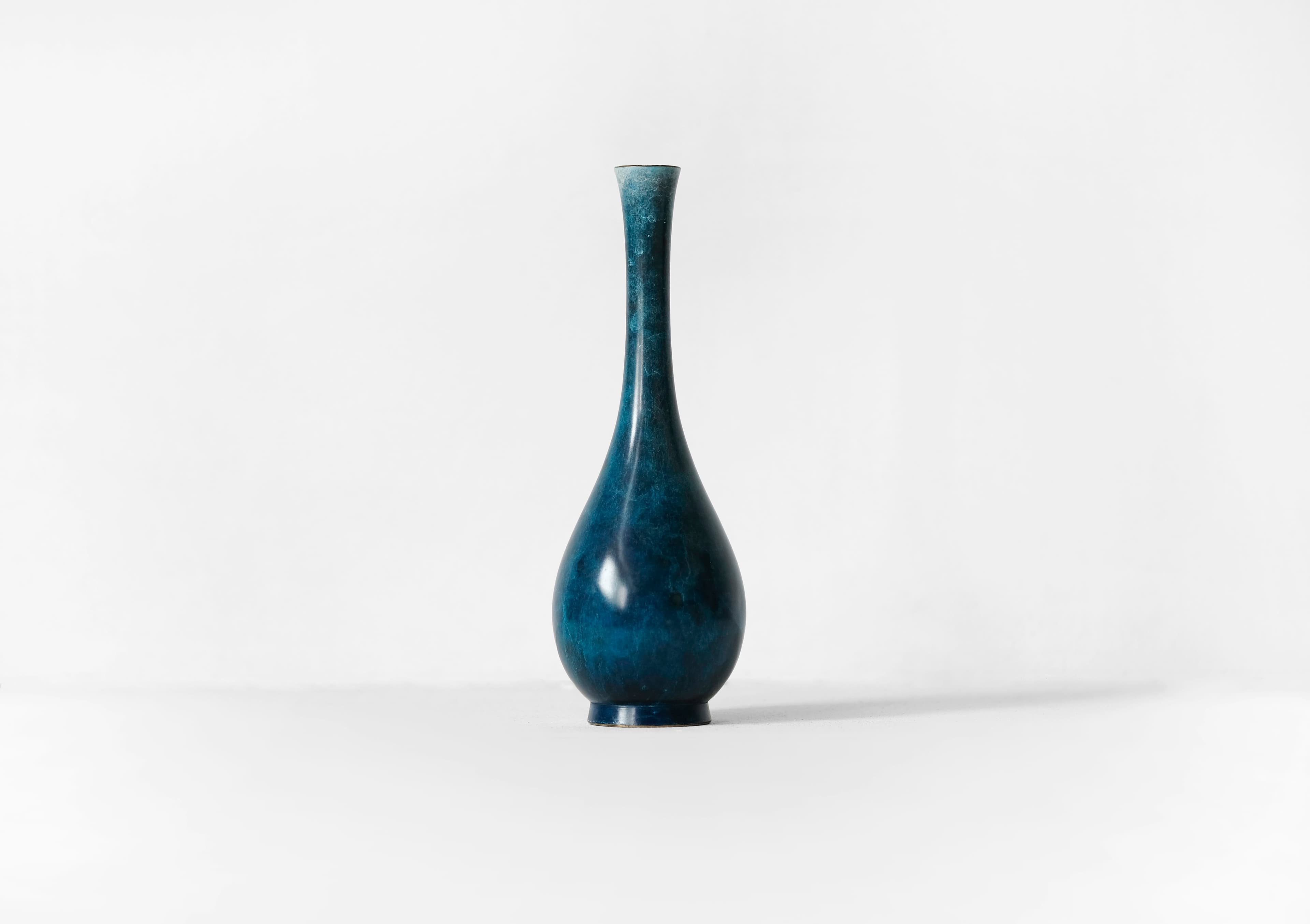
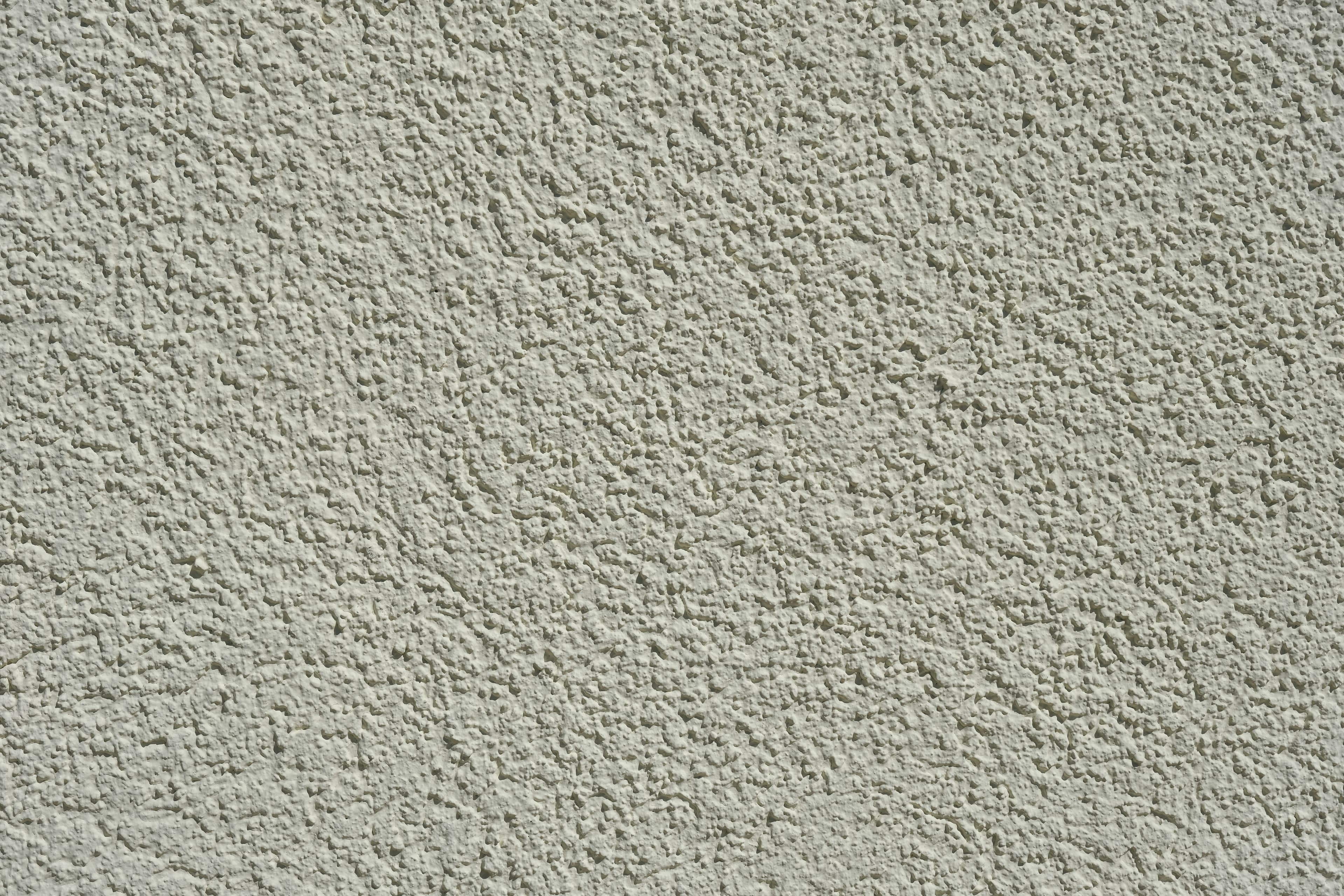
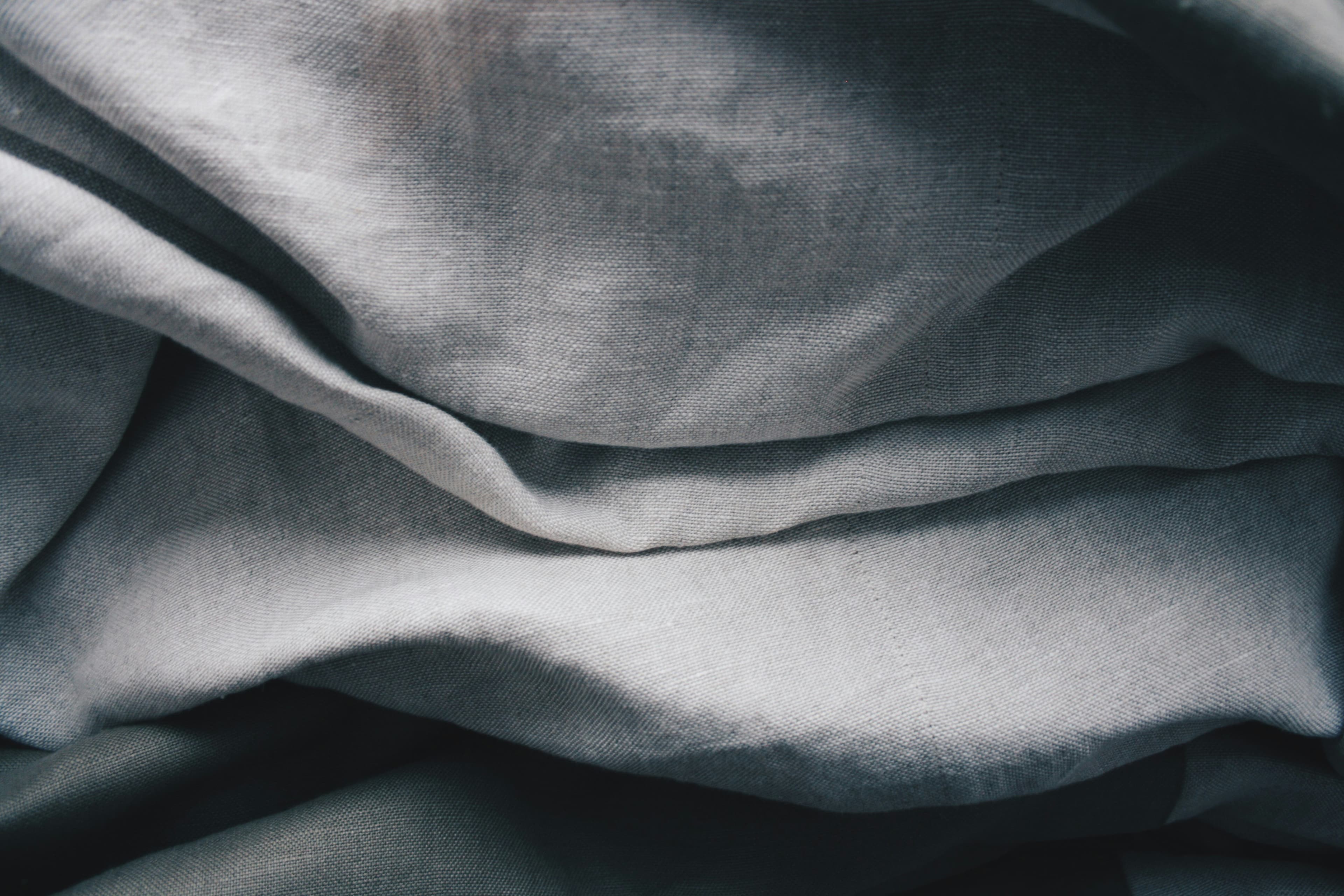
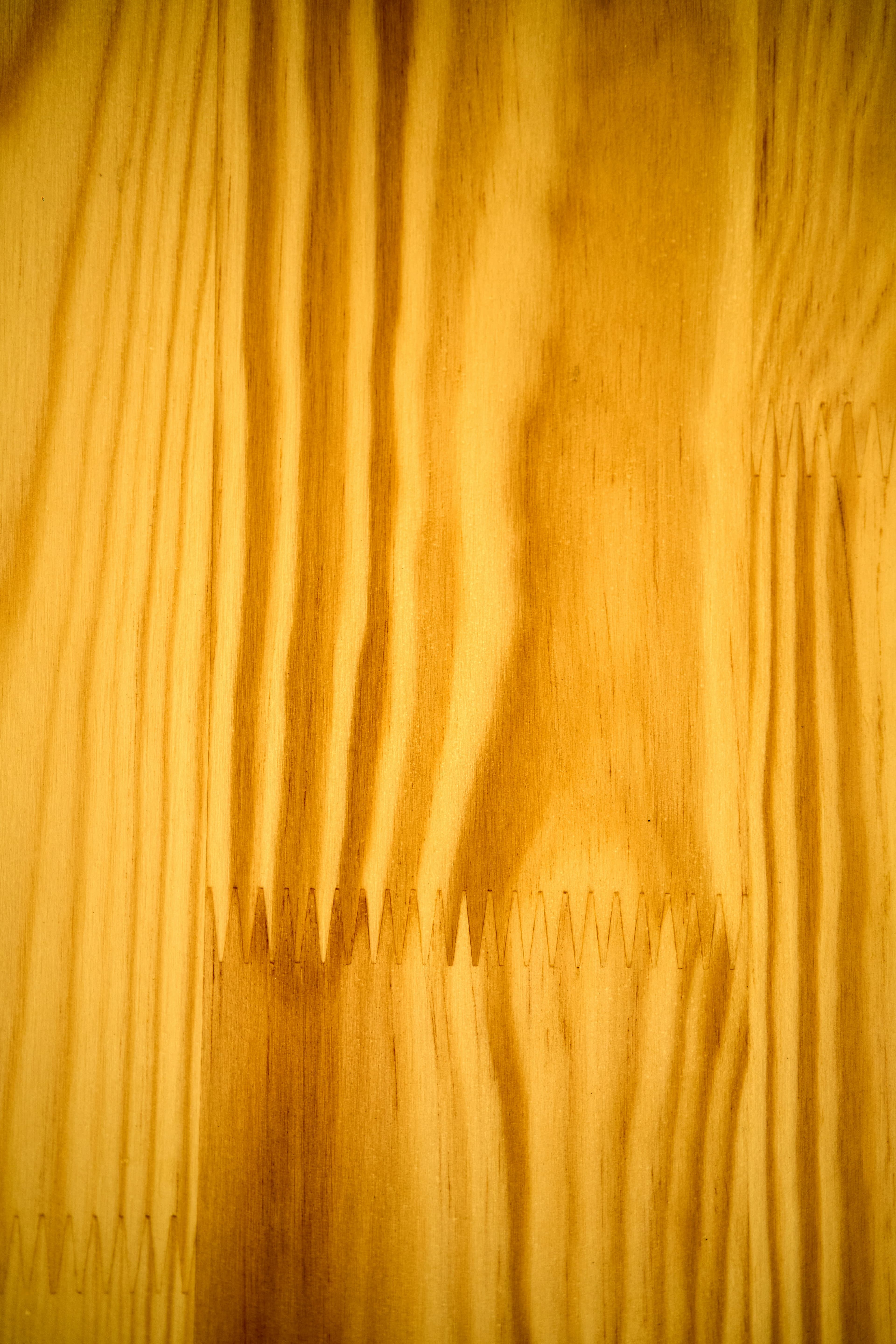
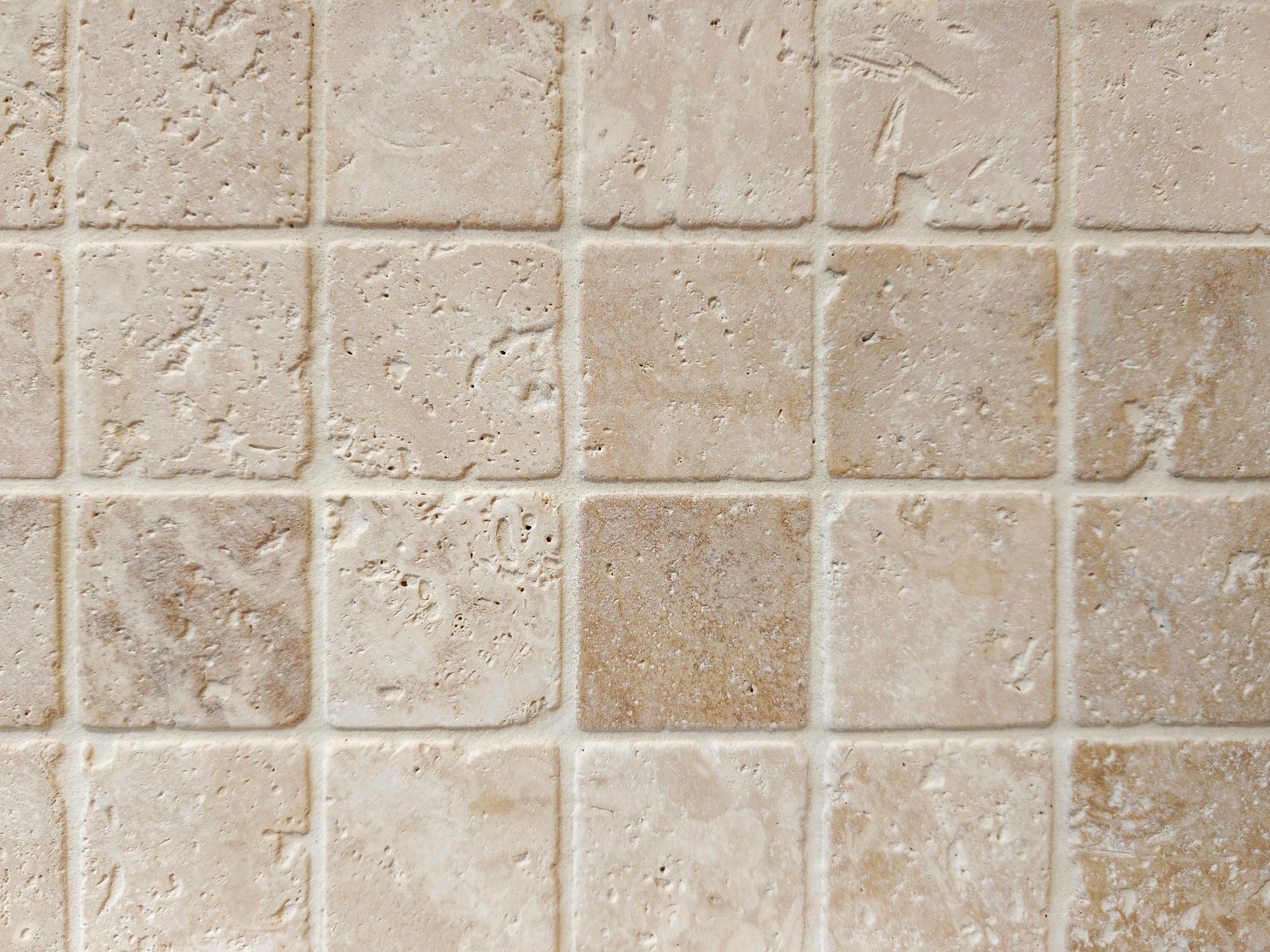
The visual vocabulary at a glance — the colors, materials, and signature objects that make this style legible.一眼看懂这个风格——让它可辨认的色彩、材质与标志性元素。
In the real world现实中的案例
Designers, residences, and reference projects most associated with this style.与该风格关联最深的设计师、住宅与参考项目。
Axel VervoordtAxel Vervoordt
Designer · Antwerp设计师 · 安特卫普The Belgian dealer-designer is the modern wabi-sabi standard-bearer. His own Kanaal compound and Kanye West's Calabasas residence (which he co-designed) bookend the genre.这位比利时设计师是当代侘寂风的旗手。他自己的 Kanaal 综合体与他参与设计的 Kanye West 加州 Calabasas 住宅,定义了这种风格的两极。
Leanne FordLeanne Ford
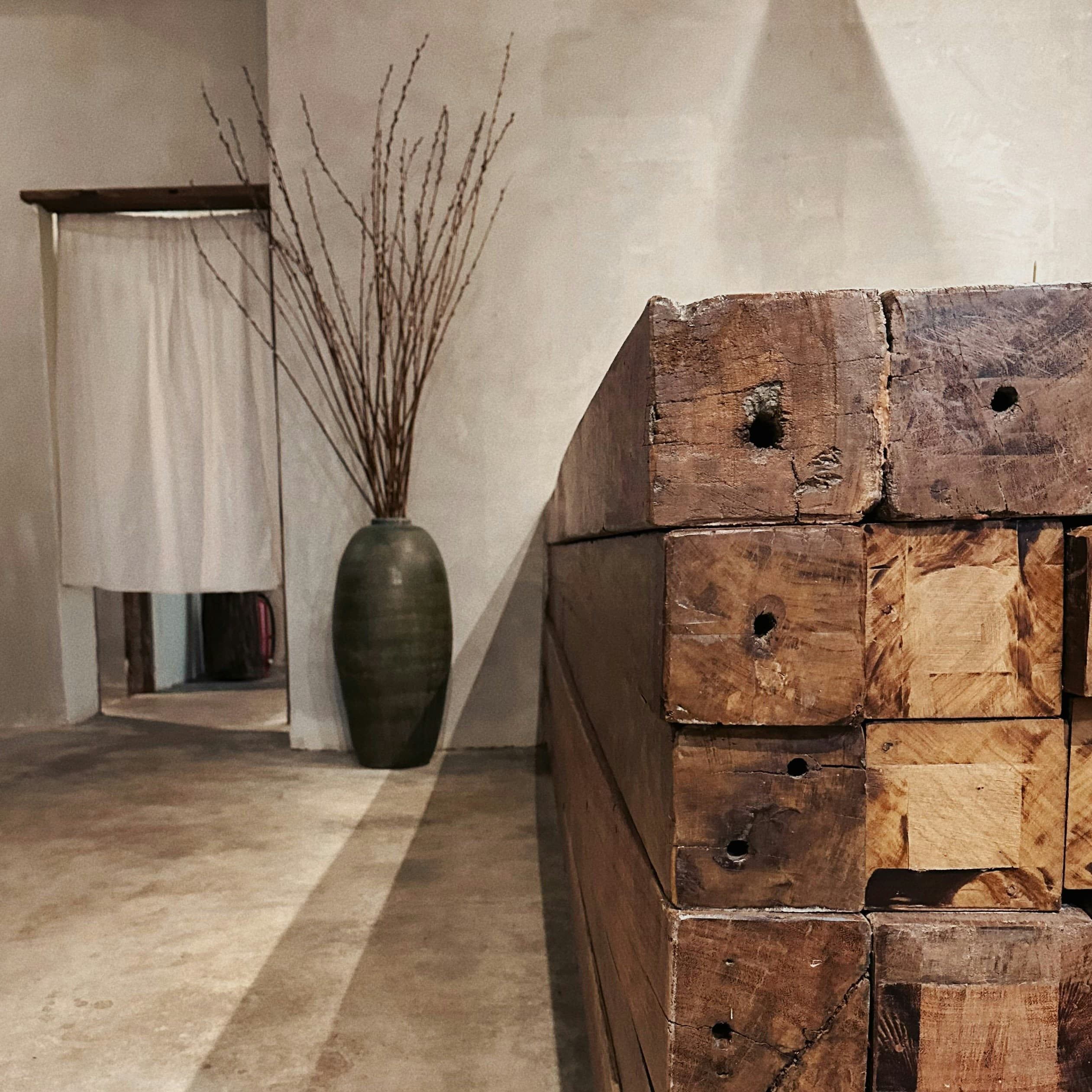
Designer · Pittsburgh设计师 · 匹兹堡Ford's plaster-heavy, near-monochrome interiors translate the wabi-sabi language for an American residential market.Leanne Ford 大量使用灰泥与近乎单色的室内,把侘寂语言译写成美国住宅市场的版本。

Donald JuddDonald Judd
Artist · Marfa, Texas艺术家 · 德州 MarfaJudd's preserved residence and studios in Marfa — left intact since his death — show how minimalism overlaps with the wabi-sabi acceptance of raw, aged materials.Judd 位于 Marfa 的住宅与工作室在他去世后被原样保留,展示了极简主义与侘寂「接纳粗粝、岁月之美」的交汇。